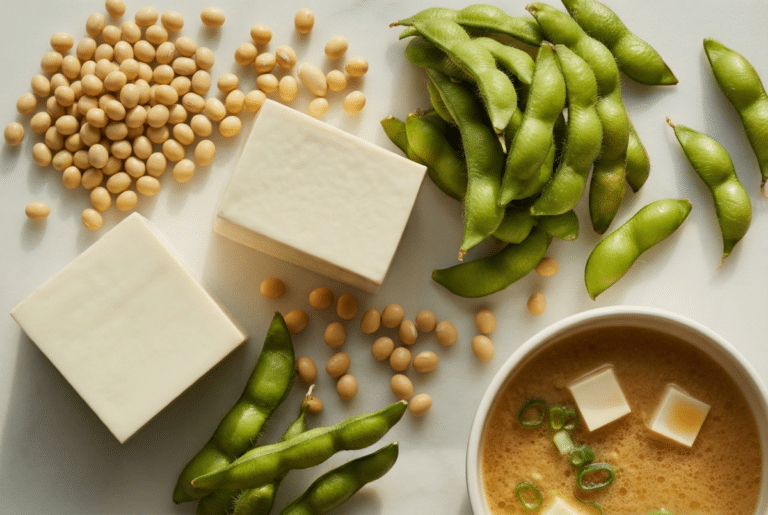
Can diet help menopause joint pain?
Joint pain is a common symptom of perimenopause and menopause, and one of the least talked about (or understood, quite frankly).
As a registered dietitian specializing in menopause nutrition, I work with women every day who are frustrated by the changes happening in their bodies and overwhelmed by the conflicting information online. Joint pain is no exception.
My clients want to know “can my diet help with my aches and pains”.
My honest answer? Diet will not be a cure.
But what you eat can support joint tissue and help you feel better day to day. Let’s look at what can help, including which supplements are actually worth considering and which ones you can skip.
Key Takeaways
A Mediterranean-style eating pattern has the strongest evidence for reducing joint pain in menopause. Focus on fatty fish, extra virgin olive oil, legumes, nuts, seeds, and colorful vegetables and fruit. Omega-3s and vitamin D are the supplements most worth considering, and movement is an essential part of the picture too.

Why Joints Ache More in Menopause
Researchers have only recently given a name to something many women have felt for years: the musculoskeletal syndrome of menopause. This refers to the joint, tendon, and muscle aches that often show up during perimenopause and menopause. Things like stiff knees, a sore shoulder, or hips that didn’t used to bother you.
Falling estrogen levels are thought to play a role, since estrogen receptors are found in joint tissue. But honestly, the mechanism is not fully understood yet. What is clear is that the medical community is just starting to catch up(and believe) women who have been dealing with frozen shoulders and achy joints for a long time at this time of life.

Diet for Joint Pain: What Works for Perimenopause and Menopause
Most of the research on diet and joint pain comes from studies on osteoarthritis and chronic joint pain in older adults, not specifically perimenopausal women.
The big takeaway is that eating patterns matter more than any single food or supplement. The pattern with the strongest evidence for joint health is the Mediterranean-style diet.
It is consistently linked to better pain scores, less stiffness, and lower inflammatory markers.
Which makes sense as it is considered an anti-inflammatory diet which includes plenty of vegetables and fruit, whole grains, legumes, nuts and seeds, fish, and olive oil, with less red meat and fewer ultra-processed foods.

Best Foods for Joint Pain (Mediterranean Style)
Within the Mediterranean-style pattern, some foods stand out for joint health specifically. These are the foods I talk about most often with my clients:
Fatty fish (salmon, sardines, mackerel, herring): Rich in omega-3 fatty acids, healthy fats that help reduce inflammatory compounds in the body. Aim for two to three servings a week.
Olive oil: Is high in polyphenols, plant compounds that have both anti-inflammatory and cell-protective properties. Use it as your go-to cooking fat and for dressings.
Legumes (lentils, chickpeas, beans): A great source of fiber, which feeds beneficial gut bacteria and helps lower inflammation. Easy to add to soups, salads, and grain bowls.
Nuts and seeds (walnuts, almonds, flaxseed, chia): Provide both healthy fats and fiber. A small handful as a snack or sprinkled on meals goes a long way.
Colorful vegetables and fruit (berries, leafy greens, broccoli, peppers): Rich in phytochemicals, the natural plant compounds that give produce its color and help protect cells from damage. The more color on your plate, the better.
Whole grains (oats, barley, quinoa, farro): Another good source of fiber to support gut health and keep inflammation in check.

Joint Pain Supplements in Menopause: The Real Evidence
Walk into any health food store and you’ll find no shortage of supplements promising joint relief. As a dietitian I get asked about these constantly, and my answer is almost always the same: the evidence is more complicated than the label suggests.
Here’s an honest look at what the research actually says.
Omega-3s: I recommend making sure you get enough omega-3’s regardless of joint pain, given its broader benefits for heart and brain health. For joints specifically, research shows fish oil can modestly reduce osteoarthritis-related pain.
Fatty fish two to three times a week is always my first recommendation. If you’re supplementing, a general starting point is 250-500mg of combined EPA and DHA daily for overall health, though the research on joint pain does use higher doses.
Vitamin D: Low levels are linked to increased pain sensitivity and poor muscle and bone health. In my experience many find it difficult to get enough Vitamin D from food alone. I routinely recommend vitamin D for bone health anyway. 1000 IU daily should cover you for both.
Glucosamine and chondroitin: The research is mixed. Some studies show modest benefits for pain and stiffness, while others show little effect. They appear safe for most people, so a two-to-three-month trial is reasonable if you want to try them.
Curcumin (turmeric): The science here is actually growing, with some studies showing real reductions in joint pain. The problem is that products vary enormously. The supplement market is largely unregulated, so it is hard to know how much you are actually getting and it is unclear at the moment to know how much you’d actually need. I would be cautious with this one for now.
The turmeric you use in cooking adds wonderful flavor but contains very little curcumin, so it’s unlikely to have much impact on joint pain.
Collagen: A growing body of research suggests collagen supplements may help with joint pain and function, and they appear to be safe for most people. Again the challenge is that products vary a lot in quality and type, so results can be inconsistent. If you want to give it a try, it’s a reasonable option, just don’t expect dramatic results.

Movement for Joint Pain
Diet is only part of the picture. Regular movement is one of the most effective tools for managing joint pain.
The last thing you might feel like doing when in pain is exercise. You don’t need intense workouts. Gentler and more consistent is better for achy joints. Think walking, swimming, cycling, or strength work that targets the muscles around your joints.
A good physiotherapist can make a real difference. They can design a program that works with your body not against it. If joint pain is significantly affecting your daily life, that’s where I’d start.
Joint pain in menopause is real, it is common, and it is not something you just have to put up with. While the research specifically in perimenopausal women is still catching up, the evidence we do have points clearly toward a Mediterranean-style eating pattern as the most practical and effective dietary approach for joint health.
No single food or supplement is going to fix everything. But consistently eating more fish, legumes, colorful vegetables, nuts, seeds, and extra virgin olive oil is a solid foundation.
If your joint pain is significant, please don’t rely on diet alone. See your doctor to rule out anything that needs medical attention and consider working with a physiotherapist.

Looking for ongoing support around food, body, and menopause?

Hi, I’m Sandra!
I’m a registered dietitian and body confidence coach specializing in midlife health and menopause nutrition.
I offer virtual nutrition counselling and coaching for women in British Columbia, Canada.
I help women thrive by moving away from restriction and toward nourishment—through practical strategies and compassionate support that honor your changing body.
My focus is on helping you feel confident, strong, and well-fed.
Learn more about working with me