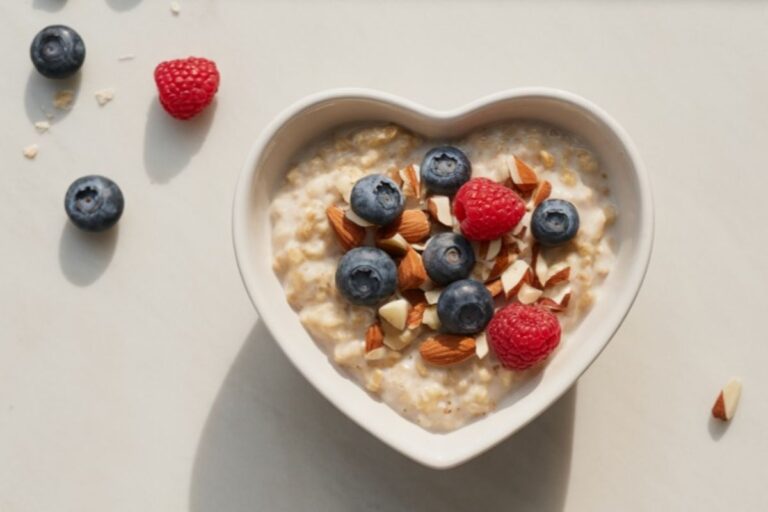
Menopause and High Cholesterol: Why Levels Rise and What You Can Do
Did you know that your cholesterol levels can go up during menopause?
It's a sneaky thing that tends to creep up for a lot of us during menopause.This isn’t a sign you’re doing anything wrong. It’s part of how the body changes during menopause.
And there's plenty of things we can do that help keep our cholesterol—and overall health—in balance.
In my work with midlife women, I often see those who are already trying to “eat well,” yet feel surprised and discouraged when their cholesterol numbers rise anyway. That disconnect can feel frustrating — and it’s exactly why understanding what’s happening beneath the surface matters.
Key Takeaways
Cholesterol levels often rise during perimenopause and menopause because of hormonal changes — not just food choices. Understanding what’s happening in your body allows you to take early, practical steps to support heart health in a calm, doable way.

Do Cholesterol levels increase in perimenopause?
Yes — cholesterol levels often begin to rise during perimenopause.
As we move into perimenopause, estrogen levels begin to fluctuate and decline. Estrogen plays an important role in helping the body manage cholesterol.
One of the liver’s main jobs is to help keep cholesterol balanced by removing extra LDL (“bad”) cholesterol from the blood. I like to think of the liver as a recycling centre — its job is to collect, sort, and clear out what the body doesn’t need. Estrogen helps keep the machines in that recycling centre running smoothly.
When estrogen levels drop, those machines don’t work quite as efficiently. The liver becomes slower at clearing LDL cholesterol, so more of it stays in the bloodstream. During the menopause transition, total cholesterol and LDL tend to rise — and the LDL particles themselves become more likely to stick to artery walls.
This is why I often hear women say, “Nothing about my eating and exercise is different, but my numbers went up.” That experience is incredibly common.

Why Rising Cholesterol in Perimenopause Matters
Heart disease is the number one cause of death for women, yet many women worry more about breast cancer than cardiovascular disease.
While breast cancer is serious and deserves attention, the reality is that more women die from heart disease each year than from all cancers combined. And our risk sharply increases at menopause.
Rising LDL (“bad”) cholesterol can cause fatty material (plaque) to collect along artery walls, making it harder for blood to flow smoothly. Over time, this increases the risk of heart attack and stroke. And cholesterol isn’t the only thing changing — after menopause, we also see shifts in where we carry our body fat , blood pressure, and how flexible our blood vessels are.
Because these changes often happen quietly — without obvious symptoms — many women don’t realize their risk is increasing. Understanding how menopause affects the heart gives us an opportunity to be proactive, not fearful.
It gives us a chance to refocus on foundations that support long-term health.

When to Start Screening Cholesterol in Perimenopause
Because cholesterol often starts to shift during perimenopause — and heart disease risk increases after menopause — regular cholesterol screening becomes especially important in midlife.
Women over 40 should have a baseline cholesterol test, even if they feel well. Many women are surprised to learn their cholesterol is higher in their 40s or 50s, despite no major changes in diet or exercise.
More frequent screening may be recommended if you have:
- Early menopause
- A family history of heart disease
- High blood pressure
- Diabetes

What’s a Normal Cholesterol for Women Over 50?
There isn’t one perfect cholesterol number for everyone. Target levels can vary based on personal health history, family risk, and other factors.
Typical reference ranges include:
- Total cholesterol: less than 200 mg/dL (5.2 mmol/L)
- LDL (“bad”) cholesterol: less than 100 mg/dL (3.0 mmol/L)
- HDL (“good”) cholesterol: 50 mg/dL (1.0 mmol/L) or higher
- Triglycerides: less than 150 mg/dL (1.7 mmol/L)
Hearing that your cholesterol is “high” can feel alarming. While elevated cholesterol can increase the risk of heart attack and stroke, it’s also an opportunity — a signal to focus on habits that support heart health and overall well-being.
That’s where nutrition, movement, stress management, and sleep play an important role. Nothing complicated needed-just steady repeatable habits.
Related: Menopause and High Blood Pressure: What Every Woman Should Know
What is the Best Diet for High Cholesterol and Menopause?

My top pick for menopausal women — not just for cholesterol, but for overall health — is a Mediterranean-style way of eating.
This style of eating has been shown to lower cholesterol and reduce heart disease risk by about 24%, including in menopausal women. It’s not a strict diet — it’s a flexible pattern built around nourishing, satisfying foods.
Here's the key strategies you need to focus on:
1. Eat lots of Fruits and Vegetables
Fruits and veggies do more than add color to your plate—they’re packed with vitamins, minerals, and fiber, all of which help manage cholesterol.
Try adding different colors to each meal, like berries, leafy greens, and squash, as each color brings its own health benefits. Like we tell our kids: Eat a rainbow.
A simple place to start: add one extra serving of vegetables to a meal you already eat most days.
2. Use Whole Grains
Whole grains, which are rich in fiber, help limit how much cholesterol your body absorbs. Swapping out white bread or pasta for whole-grain options, like oats or barley, is a heart-healthy choice.
For example, oats and barley have a special fiber called beta-glucan that can help lower cholesterol if you get about 3–5 grams a day (about 1 ½ cups of cooked oatmeal or 1 cup of cooked barley is all you need).
Many women find it easiest to start with breakfast — try switching to oatmeal, overnite oats or a higher-fibre cereal.
Find a complete list of high fiber foods here.
3. Try Plant Proteins

Adding plant-based proteins—like beans, lentils, and peas—is another great way to eat more heart-healthy foods. Unlike animal proteins, plant proteins don’t contain cholesterol and have less saturated fat.
Soy is a standout here; 25 grams per day as part of a low-fat diet can lower cholesterol by about 3–5%.
You can get 25 grams of soy protein by eating a mix of options, like 1 cup of cooked edamame (18 grams), 1 cup of soy milk (7 grams), or ½ cup of tofu (about 10 grams).
Additionally, incorporating a scoop of soy protein powder into your smoothies, oatmeal, or baking recipes is another great way to boost your soy protein intake.
4. Add Fish and Seafood
Eating fish, especially fatty types like salmon, mackerel, and sardines, can help boost your “good” HDL cholesterol. Aim for two servings a week for the best heart benefits.
Canned fish counts and can make this much easier.

5. Choose Low-Fat Dairy Products
Low-fat dairy, like skim milk or low-fat yogurt, offers calcium and protein without too much saturated fat, which can help keep cholesterol in check.
6. Use Healthy Fats
Healthy fats (monounsaturated and polyunsaturated fats) are found in avocados, nuts, seeds, and olive oil. They help to improve HDL cholesterol and lower inflammation when used instead of saturated fats (like butter).
These healthy fats can add some yum to your meals while supporting your heart health.
7. Try Plant Stanols and Sterols
Plant stanols and sterols are natural compounds in foods like fruits, vegetables, nuts, and seeds that help lower cholesterol by blocking some cholesterol from being absorbed in the body. Eating about 2 grams daily can lower “bad” LDL cholesterol by 5–10% in just a few weeks.
While it’s great to include all these foods in your diet, reaching the recommended 2 grams per day usually requires fortified products, like certain margarines, orange juices, and yogurts.
For more ideas see: Heart-Healthy Eating in Menopause: Simple Food Swaps that Support Better Cholesterol
Other Lifestyle Tips for Lowering Cholesterol

1. Add “Exercise Snacks”
Exercise doesn’t have to be a full workout to benefit your heart. Short bursts of activity—like a minute or two of stair climbing, jumping jacks, or a few squats—can really add up.
This is helpful for those of us who who feel too tired or busy for structured workouts.
2. Find Ways to Reduce Stress
Menopause can be stressful. Practices like meditation, deep breathing, or yoga you can help keep your cholesterol in check by reducing stress.

While adding positive habits during menopause helps manage cholesterol, it’s also important to recognize the big impact of quitting smoking and drinking less alcohol.
3. Quit Smoking and Watch Alcohol Intake
Quitting smoking can dramatically improve heart health, almost as soon as you quit.
If you drink alcohol, reducing how much you drink can also help improve cholesterol.
Learn more about alcohol in menopause and some fancy mocktails to try instead.
When Should You Get a Cholesterol Test?

If you’re over 40 and haven’t had your cholesterol checked yet, this is a good time to start.
Earlier or more frequent testing may be helpful if you have high blood pressure, diabetes, or a family history of heart disease.
While cholesterol often shifts during menopause, this stage of life is also a chance to build habits that support energy, resilience, and good health moving forward.
Focus on what you can add: nourishing foods, enjoyable movement, and practices that help you feel steady and well.
Check out: Some yummy Heart Healthy Snacks or Best Breakfasts to Lower your Cholesterol .

Looking for ongoing support around food, body, and menopause?

Hi, I’m Sandra!
I’m a registered dietitian and body confidence coach specializing in midlife health and menopause nutrition.
I offer virtual nutrition counselling and coaching for women in British Columbia, Canada.
I help women thrive by moving away from restriction and toward nourishment—through practical strategies and compassionate support that honor your changing body.
My focus is on helping you feel confident, strong, and well-fed.
Learn more about working with me