Mediterranean Diet for Menopause: Your Body Changed. Your Eating Should Too
You used to know your body.
Maybe not perfectly. But you knew roughly how it worked. You knew how much sleep you needed, what foods left you feeling good, what a normal week felt like in your own skin.
And then, somewhere in your 40s or early 50s, things started shifting.
Hot flashes waking you up at 3am. A brain that feels like it’s running through fog. Energy that disappears after lunch and doesn’t come back. Moods that swing without much warning. A waistline that’s changing even though you haven’t actually changed anything.
If this sounds familiar, here’s what you need to know: your body is not malfunctioning. It is responding, quite logically, to a significant hormonal shift—one that affects far more than most women are told to expect.
Key Takeaways
The Mediterranean diet is one of the most supportive ways of eating during menopause. It helps protect your heart, brain, bones, and blood sugar, and it may even help ease symptoms like hot flashes. Best of all, it’s flexible, realistic, and focused on nourishment—not restriction.
Why Your Body Feels So Different Right Now
Here’s the short version: estrogen is doing a lot less than it used to.
That might sound simple. But estrogen was quietly involved in regulating your sleep, your mood, your cholesterol, your blood sugar, your bone density, your joint comfort, and your brain chemistry. It was working behind the scenes in ways you probably never noticed—until it started stepping back.
When estrogen levels begin to decline in perimenopause and continue dropping through menopause, all of those systems feel the impact. Not all at once, and not the same for every woman. But that scattered “what is happening to me” feeling? It makes complete sense.
This is also why there’s no single fix. Your body isn’t struggling with one thing. It’s navigating a whole-system recalibration.
The good news is that what you eat can support almost all of those systems at the same time. And one eating approach, in particular, has decades of solid research behind it.
Enter the Mediterranean Eating Approach

I want to be clear about something before we go further: this is not a diet in the restrictive sense. No food groups banned. No calorie counting. No complicated rules to follow.
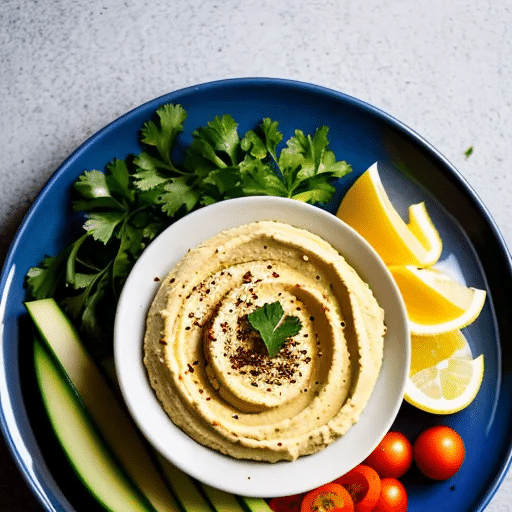
The Mediterranean eating approach is a flexible pattern based on traditional food habits from countries bordering the Mediterranean Sea. It has been studied for over 50 years and consistently ranks among the healthiest dietary patterns in the world.
As a registered dietitian, it is the eating approach I recommend most to my midlife and menopause clients.
Not because it’s trendy—but because it directly addresses the changes happening in your body right now. It focuses on variety, balance, enjoyment, and long-term health. You can adapt it to your preferences, your culture, and your life. And most importantly, it is actually enjoyable, which is why people stick with it.
What it looks like:
Eat generously:
- Fruits and vegetables
- Whole grains
- Legumes (beans, lentils, chickpeas)
- Olive oil
- Herbs and spices
Eat more of:
- Yogurt and cheese
- Fatty fish
- Nuts and seeds
Have smaller amounts of:
- Red meat
- Sweets
That’s it. No tracking. No weighing. No meal plan you have to follow perfectly.

How This Way of Eating Supports Your Changing Body

Your symptoms are not random. They connect back to specific systems being affected by lower estrogen. Here is where Mediterranean-style eating helps.
1: Heart Health after Menopause

After menopause, your risk of heart disease rises significantly because you lose estrogen’s protective effect on your cardiovascular system. This is why heart disease becomes the leading cause of death for women in the U.S. and the second leading cause in Canada.
What’s reassuring is how consistent the research is here. Large studies show that women who follow a Mediterranean dietary pattern have:
- About a 30% lower risk of heart attack
- About a 17% lower risk of stroke
That protection comes from the diet’s natural balance of:
- Anti-inflammatory fats (olive oil, nuts, fish)
- Fiber-rich plant foods
- Low intake of ultra-processed foods
Read more about menopause and cholesterol here.
2: Mood, Anxiety, and Brain Health

That wired-but-tired feeling. The low motivation. The anxiety that shows up without much warning. These experiences are incredibly common during the menopause transition.
While food is never the whole story, what you eat does affect inflammation, and how well your brain handles stress.
In a large study of over 3,000 adults, people who most closely followed a Mediterranean eating pattern reported lower rates of depression, anxiety, and stress—with fruits and vegetables showing especially strong benefits.
We also have compelling data on brain health. A study of more than 16,000 postmenopausal women found that those who ate more Mediterranean-style had better memory and brain test scores as they aged. While this doesn’t mean it “cures” brain fog, it does suggest that this way of eating supports long-term brain resilience.
3: Bone Health and Osteoporosis Risk

Estrogen plays a major role in maintaining bone density. When it declines, bone loss accelerates. Many women lose 10% or more of their bone mass in the first five to seven years after menopause, and without protective strategies, up to half of total bone mass can be lost by age 75.
Bone health during menopause isn’t about one single nutrient—it’s about the full pattern:
- Adequate calcium
- Vitamin D
- Protein
- Weight-bearing movement
- And an anti-inflammatory dietary foundation
The Mediterranean diet supports all of these and has been linked to better bone mineral density and less age-related bone loss.
Think of your bones like a savings account. Every calcium-rich meal, every bone friendly activity—you’re making a deposit.
4: Blood Sugar, Insulin Resistance, and Energy

Through the menopause transition, many women become more insulin resistant. This simply means your body has a harder time moving glucose out of the blood and into the cells where it’s used for energy. Over time, this contributes to:
- Fatigue
- Energy crashes
- Higher blood sugar
- Increased risk of Type 2 diabetes
The Mediterranean diet has one of the strongest evidence bases of any eating pattern for improving insulin sensitivity. A major review of 50 studies covering over half a million people found that it:
- Lowers fasting blood sugar
- Improves how efficiently insulin works
- Reduces diabetes risk across age groups
Picture insulin as a key that opens the door to the cell. A Mediterranean diet helps keep that key working so your cells can get the energy they need.
Can the Mediterranean diet help with menopause symptoms?

Your body systems are the bigger story. But yes, symptoms may improve too—and the research, while still developing, is promising:
- An Australian study showed a 20% reduction in hot flashes and night sweats
- Another study found women eating a plant-heavy diet were 14% more likely to eliminate symptoms within a year.
- It is consistently link to better sleep.
- It helps reduce joint pains and muscle aches-something not talked about enough in menopause
These effects aren’t massive, or a cure—but they’re a meaningful bonus on top of the long-term health protection.
How to get started with the Mediterranean diet?
Start from where you are. You don’t need to overhaul your kitchen in one weekend.
Use this quick assessment tool to see how close your current diet matches up.

Scoring
If you scored 12-14, your diet is highly consistent with the Mediterranean diet pattern.
If you scored 8-11-, your current diet has a lot in common.
If you scored 4-7, your diet includes some elements.
If you scored 0-3, your diet is not very consistent with the Mediterranean diet.
Tips for Beginners:
Take baby steps. Start with one or two changes, like adding an extra veggie to your dinner or swapping white bread for whole grain.
Plan ahead. Make a meal plan and a grocery list. Prep ingredients ahead of time to make healthy choices easier.
Try new foods. Experiment with different grains, proteins, or veggies to keep meals exciting.
Eat mindfully. Slow down and enjoy your meals. Share food with friends or family when possible—it’s part of the Mediterranean way.
Get support. Lifestyle changes are easier with help. Ask a friend to join you, or work with a dietitian for guidance.
Simple Meal Ideas
Need inspiration? Try these simple meal ideas to get you started:
- Avocado toast with a boiled egg and cherry tomatoes
- Grilled chicken breast with roasted vegetables and quinoa
- Tuna salad with mixed greens, tomato, red onion, and olive oil dressing
- Lentil soup with a side of whole grain bread and feta cheese
- Grilled salmon with lemon and herb marinade and a side of roasted asparagus
- Caprese salad with sliced mozzarella, tomatoes, and basil, drizzled with olive oil and balsamic vinegar.
- Greek yogurt with mixed berries, honey, and chopped walnuts
- Whole wheat pasta with cherry tomatoes, garlic, and fresh basil, topped with grated parmesan cheese.
Hungry for more? Check out a list of 30 snacks here.
The Mediterranean approach is not a magic fix. But it is one of the most well-researched, practical, and sustainable ways to feed a body that is going through real change.
You don’t need to do it all at once. You don’t need to do it perfectly. You just need to start somewhere—and almost anywhere is a good place to begin.
Related: Anti-Inflammatory Diet for Menopause: More Than Just a Food List

Looking for ongoing support around food, body, and menopause?

Hi, I’m Sandra!
I’m a registered dietitian and body confidence coach specializing in midlife health and menopause nutrition.
I offer virtual nutrition counselling and coaching for women in British Columbia, Canada.
I help women thrive by moving away from restriction and toward nourishment—through practical strategies and compassionate support that honor your changing body.
My focus is on helping you feel confident, strong, and well-fed.
Learn more about working with me